
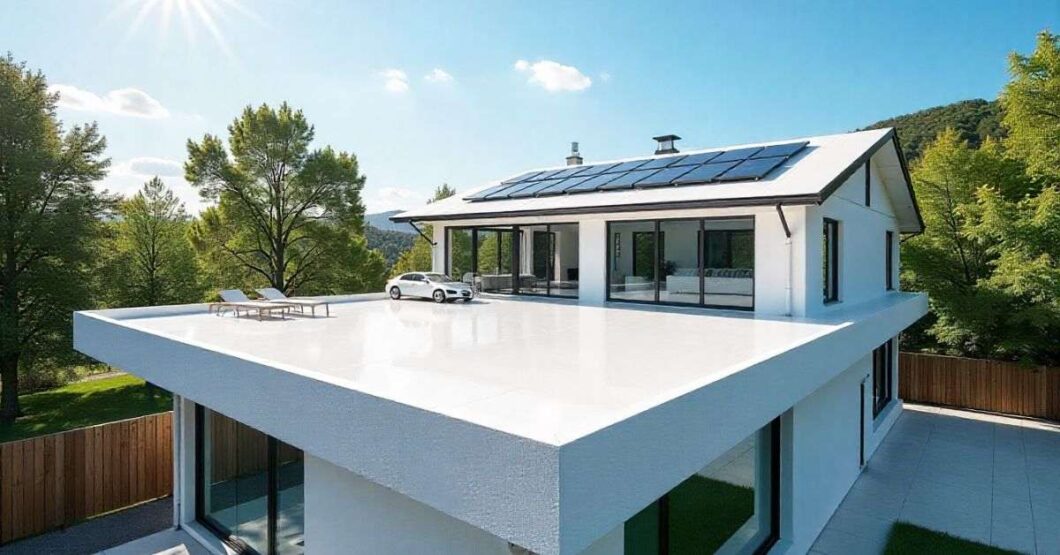
Introduction
If you’re thinking about upgrading your roof, you’re probably overwhelmed by all the choices—metal, shingles, tiles, coatings, and now… acryldach.
So, what is it? And more importantly, is it worth your money?
In 2025, more homeowners and builders are leaning toward smarter, more eco-friendly, and longer-lasting materials. Acryl-based roofing solutions have stepped into the spotlight for exactly that reason. They’re durable, flexible, and built to survive extreme weather—which is kind of essential with how unpredictable climate’s become.
In this guide, we’re going to walk you through everything you need to know—from real-world benefits and applications to maintenance tips and costs. It’s not just features and numbers—we’ll help you understand if this system makes sense for your home or project.
Why More People Are Choosing Acryl-Based Roofing
Let’s be honest: nobody wants a roof that needs constant attention or gives out after a decade. That’s where these roofing systems earn their keep.
Why It’s a Game-Changer
- Holds up in bad weather: Strong against rain, wind, snow, and UV rays.
- Flexible and crack-resistant: Expands and contracts with temperature changes.
- Energy smart: Reflects sunlight to keep your home cooler.
- Lightweight: Easy on structures and quicker to install.
- Long-term value: Lasts way longer than traditional options with fewer issues.
It’s a high-performance solution that doesn’t leave you second-guessing your investment.
Who Should Use It: Homes vs. Businesses
Whether it’s your family home or a 50,000-square-foot warehouse, this system adapts well to different needs.
For Homeowners
- Perfect for flat or low-slope roofs—no ponding or drainage problems.
- Great for re-roofing areas like garages, porches, or backyard offices.
- Bonus: it gives a clean, modern look with minimal upkeep.
For Commercial Spaces
- Built to cover large surface areas efficiently.
- Handles heavy foot traffic from maintenance or solar panel teams.
- Meets commercial-grade safety standards.
| Type of Building | Recommended? | Why It Works |
|---|---|---|
| Bungalows | ✅ Yes | Low slope + easy maintenance |
| Warehouses | ✅ Yes | High performance under heavy exposure |
| High-pitch roofs | ❌ Not Ideal | Material best for flat or low-slope |
You don’t need a high-tech building to benefit from cutting-edge roofing.
Installation: What It Actually Looks Like
You might think applying a high-performance roof system is complicated. It’s surprisingly simple—if done properly.
The Basic Process
- Check the roof: Remove dirt, debris, and repair any damages.
- Apply a base primer (if the existing roof needs bonding help).
- First coat of the acrylic goes on smoothly with rollers or sprayers.
- Add reinforcement mesh where needed.
- Seal it in with a final topcoat.
Done right, the whole process usually wraps up in 2–4 days.
Pro Tip: Always use a certified installer—DIY or cheap jobs often void warranties.
How Long Does It Actually Last?
Spoiler alert: longer than you’d expect.
With proper care, an acryl-based system can last 20–30 years. That means fewer worries about leaks, cracks, or water damage.
| Roofing Material | Avg. Lifespan | Maintenance Needs |
|---|---|---|
| Asphalt Shingles | 15–20 years | Moderate |
| Metal Roofs | 30–40 years | Low to Medium |
| Acryl-Based | 25–30 years | Low (bi-annual checks) |
This isn’t one of those “good for 10 years” quick fixes. It’s a longer-term solution with a much lower total cost of ownership.
How Eco-Friendly Is It, Really?
Let’s talk green.
This roofing type checks a lot of boxes on the sustainability chart. It’s not just “less harmful”—it’s actually built to be better for the planet.
Green Highlights
- Low VOC content = less air pollution.
- Reflective surface helps reduce your building’s heat load.
- Longer life = less material waste over time.
- Can contribute to LEED points in commercial projects.
Choosing a smart roof doesn’t just help your bills—it’s a small way to help the environment too.
Built to Handle the Elements
This is where acryl-based systems shine (literally and figuratively).
They don’t just sit on your house—they actually do something. They form a barrier that blocks water, resists UV rays, and adjusts to temperature swings without peeling off or cracking.
- Lightweight, but tough.
- Industry-tested for up to 95% UV reflection.
- Fully waterproof when cured.
If you live somewhere that gets boiling heat in summer and rainstorms in winter—it’s an ideal fit.
What’s It Gonna Cost Me?
Let’s break down the dollars.
Ballpark Costs (Installed)
| Material | Cost per sq. ft. | Lifespan | Value for Money |
|---|---|---|---|
| Basic Shingles | 3.50–5.50 | 15 years | Decent |
| Metal Roofing | 8.00–14.00 | 35 years | Great, high cost |
| Acryl-Based | 5.50–8.50 | 25+ years | Excellent balance |
You’re paying a bit more upfront, yes. But when you factor in lower energy bills, fewer replacements, and less maintenance, it often comes out ahead.
Keeping It in Top Shape
Good news: maintenance is minimal. But like all things home-related, a little effort goes a long way.
Quick Maintenance Tips
- Check your roof twice a year (spring and fall).
- Clear off leaves, twigs, or bird droppings.
- Watch for tiny cracks or bubbling—early fixes are easier and cheaper.
A simple hose-down and once-a-year inspection is usually all it takes.
Common Myths—Busted
Heard something negative? Let’s clear the air.
| Myth | Truth |
|---|---|
| Only works for flat roofs | Works great on low slopes too |
| Can’t handle snow or cold | Tested in temps as low as -15°C |
| Needs lots of upkeep | Just bi-annual checks and cleanups |
| Doesn’t last long | 20–30 years is nothing to sneeze at |
This is 2025. The tech behind roofing is smarter than ever. Don’t rely on outdated info.
How to Find a Qualified Installer
The fancy material won’t mean much if it’s poorly installed. That’s why the right contractor is everything.
Checklist Before Hiring
- Licensed & Insured
- Experience with acryl-based roofing specifically
- Verified reviews or case studies
- Manufacturer accreditation (for warranty validity)
Cheaper isn’t always better. Ask to see real work they’ve done—not just flashy sales brochures.
FAQs
Will this work where it rains a lot?
Absolutely—it’s designed to be 100% waterproof upon cure.
Can I install solar panels over it?
Yes, and it won’t compromise the seal or coating.
Is it available in different shades?
You bet—multiple colors to match your style.
How long does installing it take?
Usually 2–4 days depending on roof size and prep work.
Safe for homes with pets or kids?
Totally safe—it meets all residential safety standards.
Conclusion
If you want a roofing system that’s long-lasting, future-proof, and easier on the environment, acryldach is honestly one of the best choices in 2025.
You avoid the pitfalls of traditional materials—no constant patch-ups, no warping under heat, no surprise leaks during heavy rain. Instead, you get a clean, robust, energy-efficient barrier over your building.
Still on the fence? At the very least, get a site check and let the pros give you a tailored quote. It could save you thousands over the years.